
Market Overview
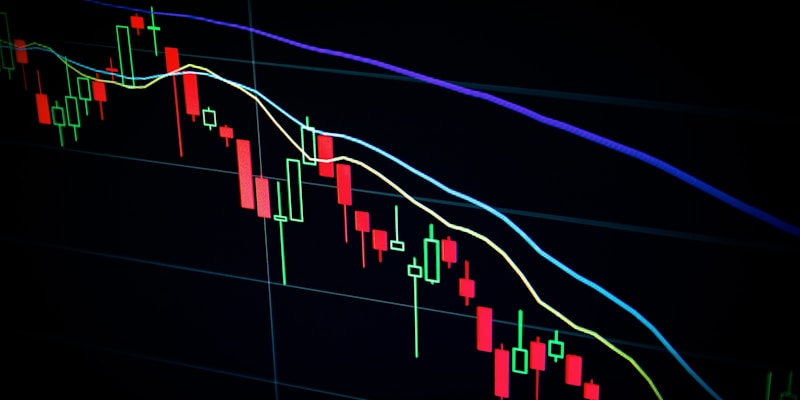
Solana is trading at $82.83 with a +1.05% gain over the past 24 hours. The price ranged from $81.40 to $85.95, with bulls managing to defend the $80 psychological level that has become an important support in recent sessions. The daily chart shows SOL building a base above its 50-day moving average, which currently sits near $79.
Volume has been healthy at approximately 2,634,927 SOL in 24-hour turnover. Solana's on-chain metrics continue to impress, with the network consistently processing over 50 million transactions per day at a fraction of the cost of competing Layer-1 networks.
Order Flow and Sentiment
The SOL/USDT perpetual market shows moderate bullish positioning. Funding rates are slightly positive, and open interest has been climbing steadily over the past week, suggesting that traders are building long positions in anticipation of a move higher. The spot order book shows strong bid support at the $80-$81 level.
Solana's ecosystem activity provides fundamental support for the price. The network dominates the memecoin trading vertical, with Jupiter and Raydium processing billions in daily DEX volume. Additionally, the growing DePIN and gaming narratives on Solana provide diversified demand for SOL tokens beyond pure speculation.
Key Levels
Resistance: R1: $85.00 (local swing high), R2: $90.00 (round number resistance), R3: $95.00 (Q1 2026 high).
Support: S1: $80.00 (psychological support), S2: $77.50 (50-day moving average), S3: $73.00 (weekly demand zone).
Trading Recommendation
Enter long on a pullback to the $81.00-$82.00 zone with a stop loss at $77.00. First target is $88.00 for a risk:reward of approximately 1.5:1, with a secondary target at $95.00 for swing traders. A breakout above $85.50 with volume confirmation could also be traded with a stop at $82.50 targeting $92.00.
Risk Factors
Solana's network has historically experienced outages during periods of extreme demand, which remain a tail risk that could trigger sharp selloffs. The network's heavy reliance on memecoin activity also poses a risk, as a decline in speculative interest could significantly reduce transaction volumes and fee revenue. Competition from Base and other EVM Layer-2s in the consumer application space is also worth monitoring.