
Market Overview
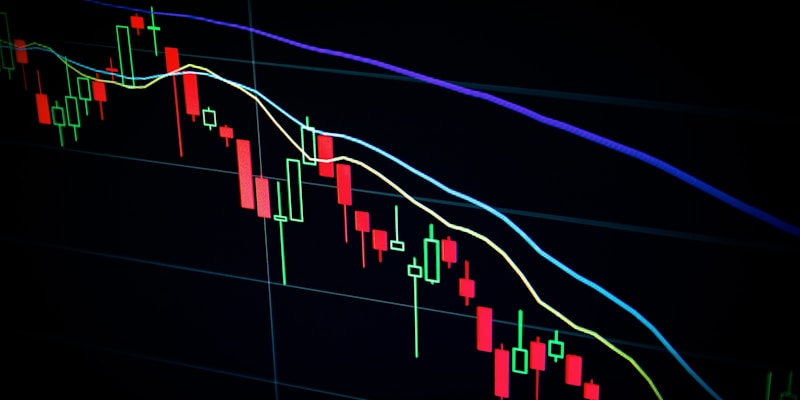
XRP is trading at $1.3412 with a +0.80% change over the past 24 hours. The session range of $1.3218 to $1.3696 shows relatively tight consolidation as the market digests recent gains. The daily chart structure remains bullish, with XRP holding comfortably above the $1.30 support level that was previously resistance.
Volume stands at 104,634,982 XRP in 24-hour turnover, which is in line with recent averages. The resolution of Ripple's SEC case continues to provide a supportive backdrop, allowing the token to trade on fundamentals rather than litigation risk for the first time in years.
Order Flow and Sentiment
The XRP perpetual futures market shows balanced positioning. Funding rates are near neutral, suggesting that neither bulls nor bears have conviction for a directional move in the immediate term. However, the spot order book reveals a significant accumulation pattern, with large limit buy orders stacked in the $1.30-$1.32 range.
Ripple's cross-border payment volumes have been growing steadily, with the company reporting a 35% year-over-year increase in On-Demand Liquidity (ODL) transactions. The expanding utility of XRP in real payment corridors provides fundamental demand that differentiates it from purely speculative tokens.
Key Levels
Resistance: R1: $1.38 (local high), R2: $1.45 (monthly resistance), R3: $1.55 (Q4 2025 high).
Support: S1: $1.32 (local demand zone), S2: $1.28 (20-day EMA), S3: $1.20 (weekly structure support).
Trading Recommendation
The setup favors a long position on a dip to the $1.31-$1.33 support zone, with a stop loss at $1.26. Primary target is $1.42 for a risk:reward of approximately 1.8:1, with an extended target at $1.55. Conservative traders may wait for a confirmed breakout above $1.38 before entering.
Risk Factors
Despite the SEC case resolution, XRP remains sensitive to broader regulatory developments. Any new enforcement actions against Ripple's partners or ODL corridors could negatively impact sentiment. Additionally, the token's relatively low staking yield compared to competitors like ETH and SOL may limit demand from yield-seeking institutional investors.